In order to enhance its competitive advantage in the facial moisturizer category, L'Oréal aimed to gain a deeper understanding of the strengths and weaknesses of its existing formula, and to clarify the direction for future improvements. They commissioned PowerCX to identify the target consumers for their whitening cream and analyze their product needs.
PowerCX helped L'Oréal accurately pinpoint the target consumer group. The focus was on Asian women (in China, Japan, and Korea) aged 35 and above with middle income. These women are affected by lifestyle and environmental factors, leading to uneven skin tone issues caused by pollution, sun exposure, and other external factors.
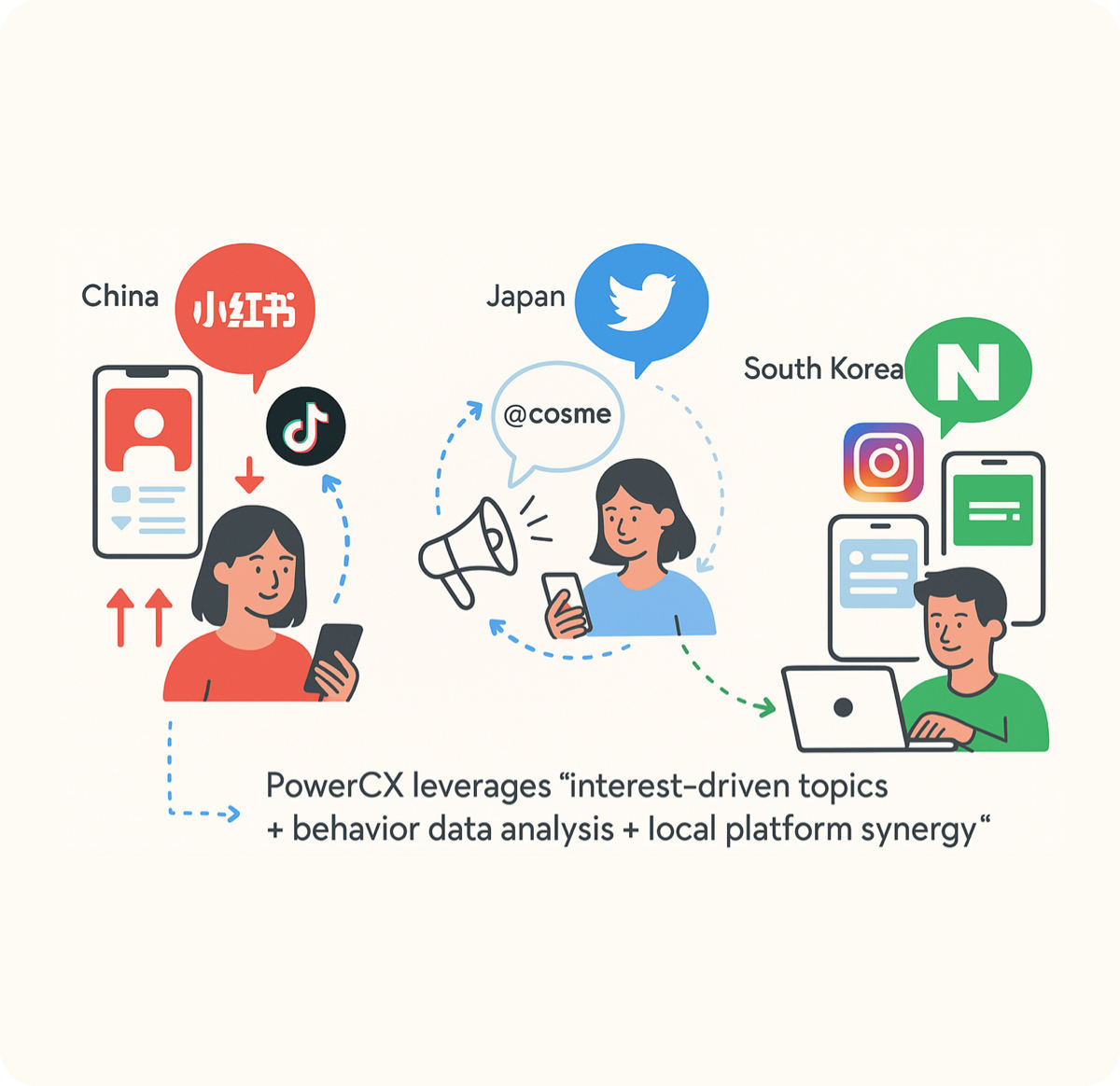
In China, PowerCX focuses on two major platforms: Xiaohongshu (Red) and Douyin (TikTok). On Xiaohongshu, PowerCX monitors high-engagement content under keywords like "dull skin" and "anti-spot serum" to identify active skincare enthusiasts, inviting them to participate in surveys through direct messages. On Douyin, PowerCX uses a combination of "skincare tags" and a "consumer potential model" to target videos on competitive-style topics related to skin tone improvement, sparking user discussions and shares, further collecting high-intent samples.
In Japan, PowerCX primarily engages with users via Twitter and the @cosme beauty platform. On Twitter, PowerCX leverages seasonal skincare topics (such as "whitening cream rankings" and "summer sunscreen recommendations") to push lightweight interactive polls and question posts, prompting user participation. On the @cosme platform, high-rated product reviews provide PowerCX with an active skincare community, where research tasks are embedded into ongoing discussions through community topic management.
In South Korea, PowerCX covers Instagram and Naver blogs. On Instagram, PowerCX monitors beauty influencers discussing topics like "whitening" and "pigmentation" and directs users to participate in discussions through collaborations or direct messages. On Naver blogs, PowerCX filters high-traffic skincare product review articles, creating behavior tag pools from comments and shares, and directly invites active bloggers or commenters to participate in in-depth research.
Through this "interest-driven topics + behavior data analysis + local platform synergy" approach, PowerCX successfully helped L'Oréal effectively identify and target the core consumer group that truly aligns with product needs in all three countries, laying a solid foundation for subsequent product insights and strategy development.
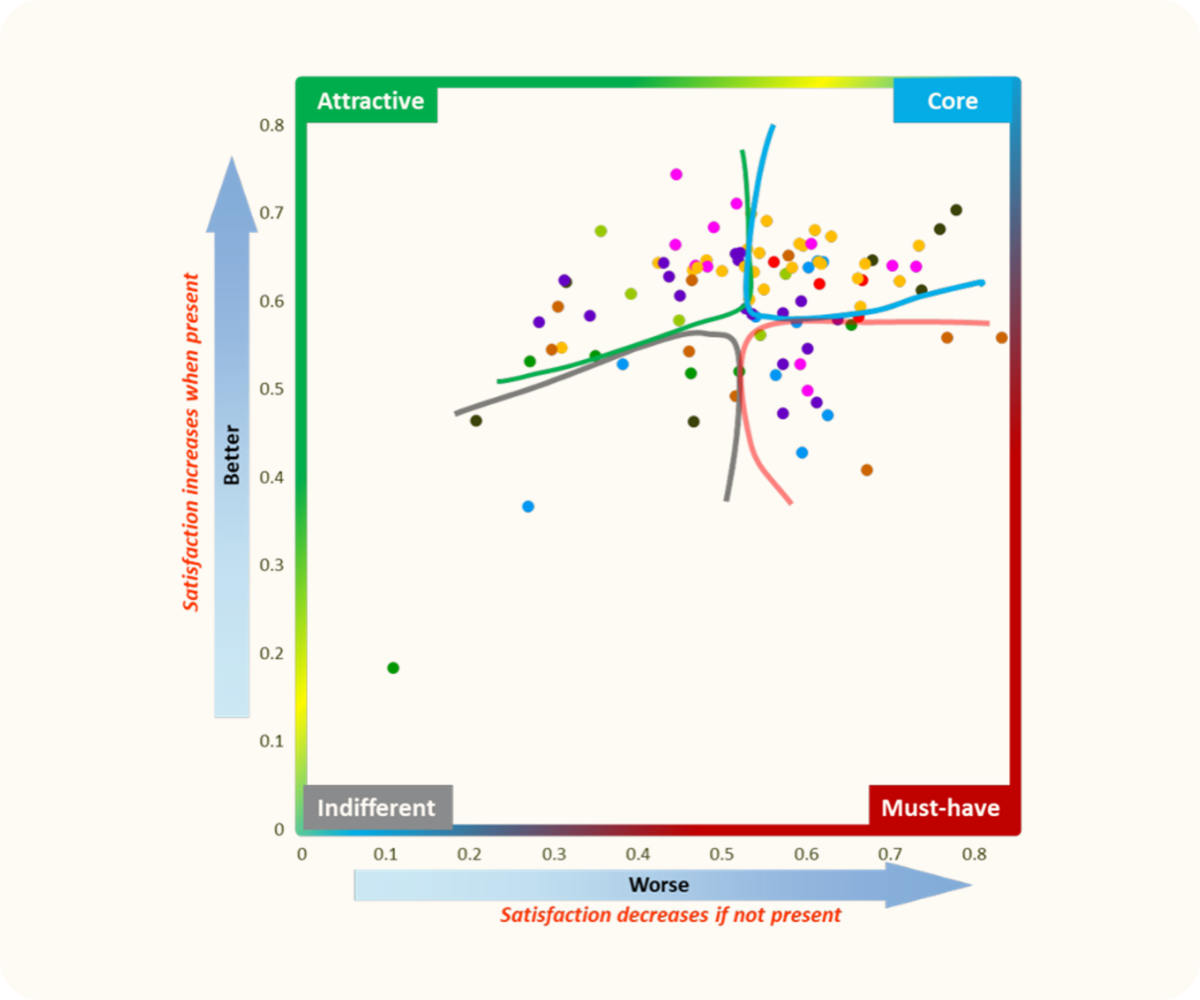
PowerCX conducted online questionnaire surveys for the target sample based on L'Oréal's research needs and applied the Kano model for analysis. Ultimately, PowerCX identified the essential product attributes for the whitening cream, such as being non-comedogenic and having no irritating fragrance. More importantly, the analysis clarified which whitening benefits were most attractive to consumers and which were considered core needs. This insight enabled L'Oréal to develop a more targeted strategy aligned with consumer expectations, optimize their product formula, and enhance its competitive advantage.